New York Fashion Week has always thrived on tension. The polished versus the provocative. The commercial versus the conceptual. This season, that tension was impossible to ignore.
The New York Fashion Week controversial looks dominating conversations weren’t accidents or missteps. They were deliberate, calculated, and depending on who you ask either visionary or completely out of touch.
From front-row editors quietly raising eyebrows to stylists frantically saving screenshots, this was a week that divided the industry in real time.
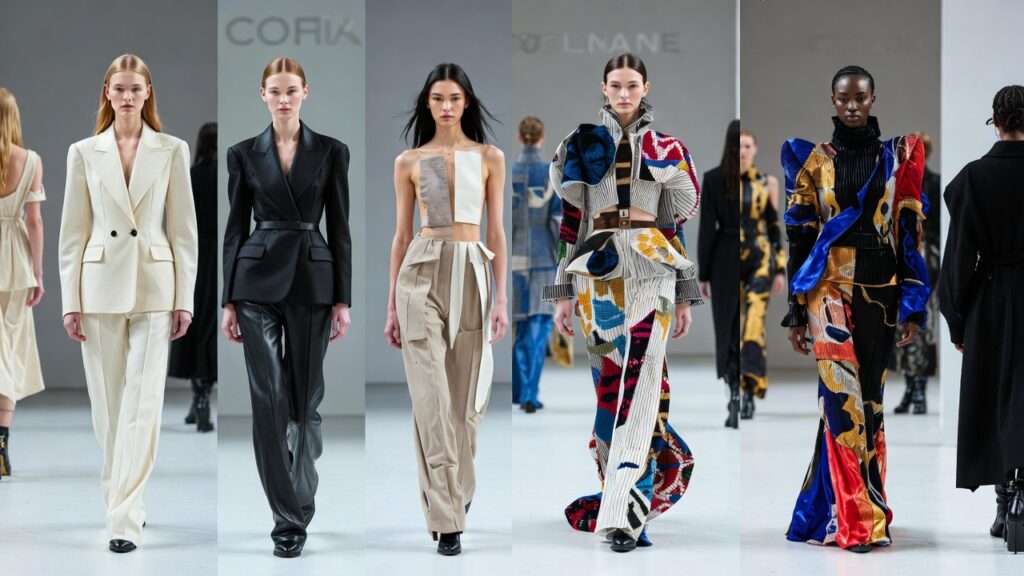
[Picture: Wide-angle runway shot from New York Fashion Week featuring sharply contrasting looks tailored minimalism beside exaggerated avant-garde silhouettes]
Why This Season Felt More Polarising Than Usual
Every fashion week has its critics, but New York’s latest season hit a nerve. The city’s designers are navigating a complicated moment commercial pressure, cultural sensitivity, and an audience that’s both hyper-online and brutally opinionated.
What stood out wasn’t just bold design. It was how unapologetic it felt.
Several collections leaned aggressively into extremes: ultra-low-rise tailoring, distorted proportions, and styling that felt intentionally uncomfortable. These weren’t clothes designed to quietly slip into wardrobes. They were meant to spark reaction.
And they did.
Some insiders praised the return of creative risk after years of safe luxury. Others saw a disconnect between runway fantasy and how people actually dress now especially in a post-pandemic, post-trend-saturation world.
The Looks Editors Couldn’t Agree On
Few things split opinion faster than silhouette, and this season delivered several that editors are still debating over coffee.
Oversized tailoring dominated multiple runways, but not in the relaxed, luxurious way we’ve grown comfortable with. Think aggressively padded shoulders, trousers dragging the floor, and jackets swallowing the body entirely. Some called it powerful. Others called it costume.
Then there were the intentionally “unstyled” looks. Wrinkled fabrics, uneven hems, footwear that felt deliberately wrong. Designers framed it as realism. Critics saw carelessness disguised as concept.
Even eveningwear became contentious. Barely-there gowns paired with heavy boots or sportswear layers challenged traditional glamour. It was a sharp departure from the red-carpet-ready fantasy New York often delivers.
Personally, the most divisive looks weren’t the loudest. They were the ones that felt emotionally cold beautiful, yes, but distant.
Celebrity Styling Added Fuel to the Debate
New York Fashion Week doesn’t end on the runway anymore. The real judgment often comes from who wears what next.
This season, several controversial runway pieces surfaced almost immediately on celebrities and the internet reacted fast. A-list actresses stepped out in deconstructed gowns that critics labelled “unfinished.” Pop stars embraced the oversized tailoring trend with mixed results.
Stylists defended the choices as fashion-forward. Comment sections were less forgiving.
What’s interesting is how quickly these looks traveled from runway to real life. In the past, divisive pieces might quietly disappear. Now, they’re amplified through paparazzi shots and social media clips within days.
It’s no longer just editors shaping opinion. It’s everyone.
And that collective voice is far more unpredictable.
Industry Gossip: Designers Pushing Back Against Wearability
Behind the scenes, there’s quiet frustration brewing and not just among buyers.
Several designers reportedly pushed back against the constant demand for “wearable” fashion. The argument? Luxury shouldn’t always be comfortable or practical. It should provoke.
Buyers, however, are cautious. Retail floors are unforgiving, and experimental pieces don’t always translate to sales. A few collections that wowed critics are rumored to have received conservative orders.
There’s also talk of a growing divide between independent designers and heritage-backed brands. The former are taking risks. The latter are playing a longer, safer game.
That tension was visible on the runway and palpable backstage.
Where New York Fashion Week Is Headed Next
If this season proved anything, it’s that New York isn’t interested in playing it safe anymore.
Insiders are watching how these controversial looks evolve. Will designers refine the extremes into something more wearable? Or double down and push even further?
There’s also growing curiosity around how European fashion houses will respond. Paris and Milan are always watching New York closely, even when they pretend not to.
Expect more polarisation, not less.
The era of universally liked collections feels officially over. Fashion is choosing sides again and that’s not necessarily a bad thing.
Final Thoughts From the Front Row
Fashion that everyone agrees on rarely lasts.
The New York Fashion Week controversial looks that caused the most discomfort are often the ones that age best. Not all of them, of course but enough to make the discomfort worthwhile.
As someone who’s watched this industry cycle through minimalism, maximalism, and everything in between, I’d rather see designers risk misinterpretation than fade into predictability.
New York reminded us that fashion isn’t just about dressing well. It’s about saying something even when not everyone likes the message.
And honestly, that tension is what keeps this city interesting.